

How to File a Railroad Lawsuit
Chemical solvents are part of the daily work environment for many railroad workers. If you have leukemia, and you suspect that your exposure at work could be the cause, you may be entitled compensation.
Contrary to claims for workers' compensation, FELA lawsuits allow plaintiffs to receive unlimited damages. Find out more about FELA lawsuits and how to make a claim of your own.
Benzene Exposure Lawsuits
Benzene is a petroleum-based compound is present in diesel fuel and gasoline. It is a clear or light yellow liquid that turns into a flammable vapor when exposed to air. It is used to create chemicals, rubber as well as paints. It also serves as solvents to clean equipment and remove grease from machines. As part of their work railroad workers work with or utilize toxic chemicals.
Workers who are exposed to benzene while doing their jobs can develop a number of severe side effects, such as leukemia and other cancers. Symptoms include fatigue, loss of appetite nausea, vomiting, hair loss and an overall feeling of unwellness. Some people may also experience a loss of memory and difficulty concentrating.
If a worker suffers from one of these conditions, he/she can sue their employer under the Federal Employers Liability Act. To be cancer lawsuits to claim damages, a person must prove that their employment and exposure to a chemical had a significant impact on their health.
Workers who have been exposed can also file wrongful death lawsuits against their employers. Damages for wrongful death can cover funeral and burial costs and future wages lost as well as emotional distress, suffering and pain. These damages are calculated using the same method that workers who receive FELA compensation are paid.
FELA Lawsuits
Railroad companies are notoriously known for exposing their employees to carcinogens such asbestos, diesel exhaust and lead. Unfortunately this puts many former railroad workers at an increased risk of developing serious occupational illnesses like mesothelioma and lung cancer. Fortunately for them, they have the right to bring a lawsuit in order to receive compensation for their injuries and losses. The Federal Employers Liability (FELA) Act permits employees to sue employers under a legal framework that is different from traditional workers' compensation programs.
Unlike workers' comp statutes, FELA is a fault-based law that requires workers to prove that their employer's negligence played a role in their injury or illness. If an employee can demonstrate that negligence by railroad companies contributed to their injury or illness, they are entitled damages. This includes a claim to pay back lost wages, medical costs as well as discomfort and pain.
Unfortunately, railroad companies fight these claims with sophisticated and often aggressive litigation strategies. They can include arguments that the injured former worker can't pinpoint a specific instance of unhealthy exposure to toxic substances, and cannot identify a manufacturer of equipment or parts which contained harmful chemicals and toxic substances. A FELA attorney who has experience with railroad injury claims will be able to fight these defenses. They can also gather evidence of the railroad's negligence through a variety of sources, such as third-party.
Class Action Lawsuits
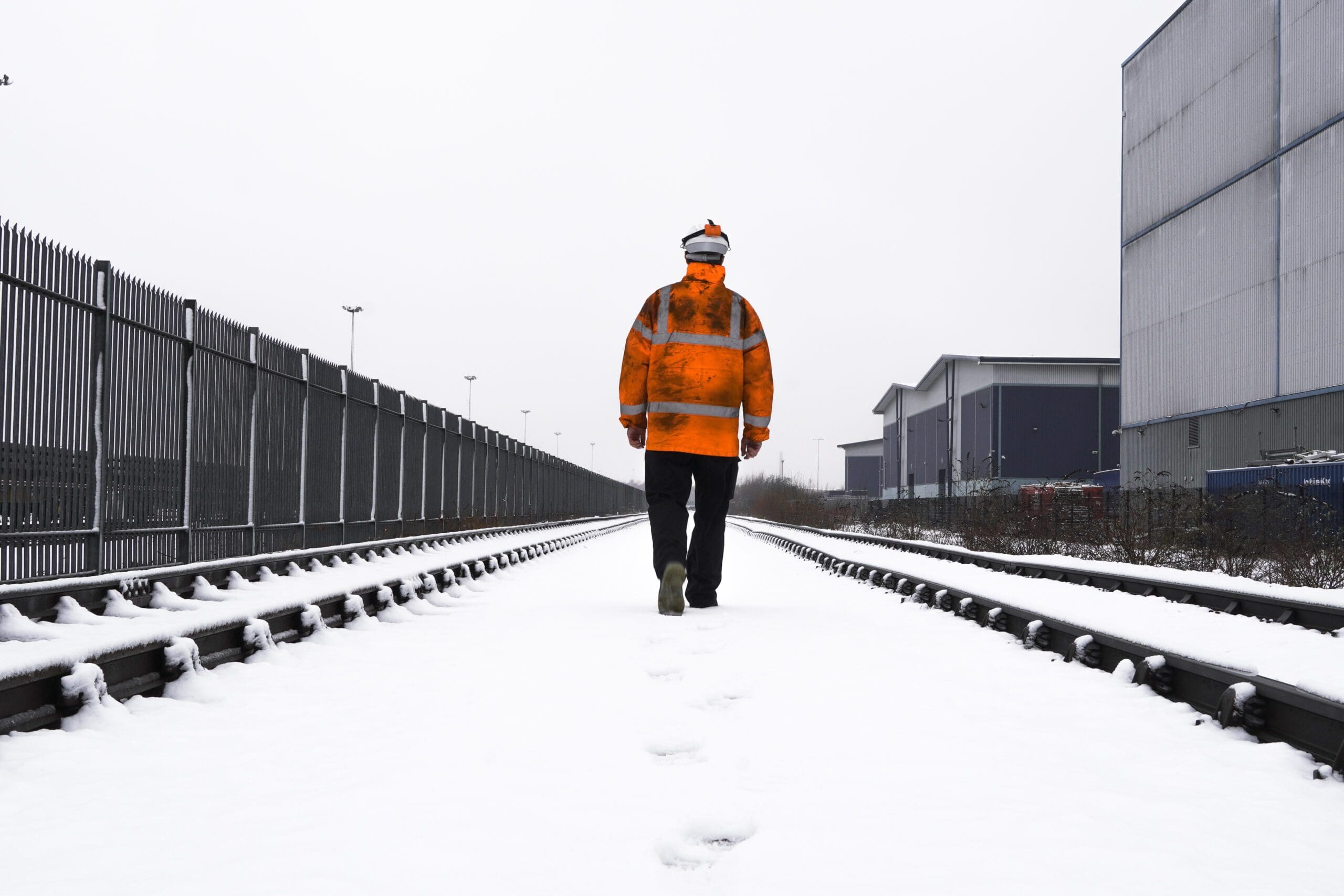
A class action lawsuit allows one plaintiff to sue for others who have suffered similar injuries. The Plaintiff also referred to"class representative "class representative" sues a company (in this case, BNSF Rail Company). All those who have similar claims are together known as the "class." In class actions, a single court will resolve all concerns for the entire class. This is more effective than individual lawsuits.
If you are a member of the Class, you may be entitled to compensation for your medical expenses as well as lost earnings, pain and suffering, loss of enjoyment of life and other damages. You could also be entitled for wrongful-death damages if a loved one died of railroad-related leukemia.
Railroad companies are required to provide their employees with a safe and secure work environment. However, a lot of railroads do not fulfill this requirement. Workers are exposed to toxic industrial chemicals and diesel exhaust at work. This often causes cancer and other long-term health problems.
This Court has certified this Class and is advancing it towards trial. The Court has not yet decided if BNSF violated BIPA or what money you could receive or receive, if any. If and when the Court decides to do so to rule in your favor, you will be advised about how to obtain any money or benefits. The documents on this website, which include the Court's Order to certify the Class and the Second Amended Complaint filed by the Plaintiff and BNSF's Response to the Second Amended Complaint will assist you in determining whether you have an entitlement.
Lawsuits for Wrongful Death
In the event that a person has died due to another's negligence, the family members of the victim may file a wrongful death lawsuit. This type of claim seeks to recover the loss of income suffered by the person who died as well as loss of companionship, love and other personal suffering. The survivors of the family are compensated for the losses and costs they'll face in the future. cancer lawsuits may be filed by the person who died's spouse, siblings, children parents, nieces, nephews or anyone else who was financially dependent on them at the time of the accident.
A wrongful death suit may be filed in the event of a fatal train collision to ensure that the railroad company is held accountable for the death of a loved ones. An attorney for train accidents will assist the family of the victim receive the maximum settlement.
cancer lawsuits can review evidence in a lawsuit for wrongful death involving a train accident, such as accident reports or physical evidence. Attorneys can also make use of expert witness testimony as well as other sources to present the strongest possible case.
In a recent wrongful-death action, a widow suing BNSF over her husband's death at an intersection in Pontotoc County. The widow claimed BNSF didn't provide enough warnings. She claimed that the crossing was not equipped with automated gates and that the flashing lights did not provide reliable warnings of an approaching train. BNSF made pretrial motions to argue that federal law preempted widow's claims. The court denied BNSF's motions.